← Catalogue Exam guide

CSIR-NET Mathematical Sciences — which book for which unit

The CSIR-UGC NET in Mathematical Sciences (conducted by the NTA) is the national eligibility test for Junior Research Fellowship and Assistant Professor / Lectureship in mathematics. The paper has three parts — Part A (General Aptitude, common to all subjects), Part B and Part C (the subject paper, organised into four units).

This guide takes the official Part B/C syllabus unit by unit and maps each unit to the Shree Sai Prakashan M.Sc titles that cover it — so you can see exactly which book to open for which topic, instead of guessing from a book list. Where a unit is not yet covered by our range, we say so plainly.

Official exam rule: every candidate answers Unit 1; mathematics-stream candidates answer additional questions from Units 2 and 3, while Unit 4 (statistics) is answered mainly by statistics-stream candidates. So for a mathematics aspirant, Units 1–3 plus the operations-research topics of Unit 4 are the core — which is where our range is strongest.

How the paper is structured

The Mathematical Sciences paper has three parts. The four syllabus units below make up Parts B and C.

Part A
General Aptitude — 20 questions (logical reasoning, graphical & numerical ability, data interpretation). Common to every CSIR-NET subject; not maths-specific.
Part B
Subject (Mathematical Sciences) — conventional MCQs drawn from the four units below.
Part C
Subject (higher value) — analytical/multi-concept problems from the same four units. This is where deep textbook understanding pays off.

The syllabus, unit by unit — mapped to our books

Each unit below links to a full page with the complete topic list and the books that cover it.

Unit 1

Analysis & Linear Algebra

Real analysis (the largest single scoring area of the paper) together with linear algebra — the foundation the rest of the syllabus builds on.

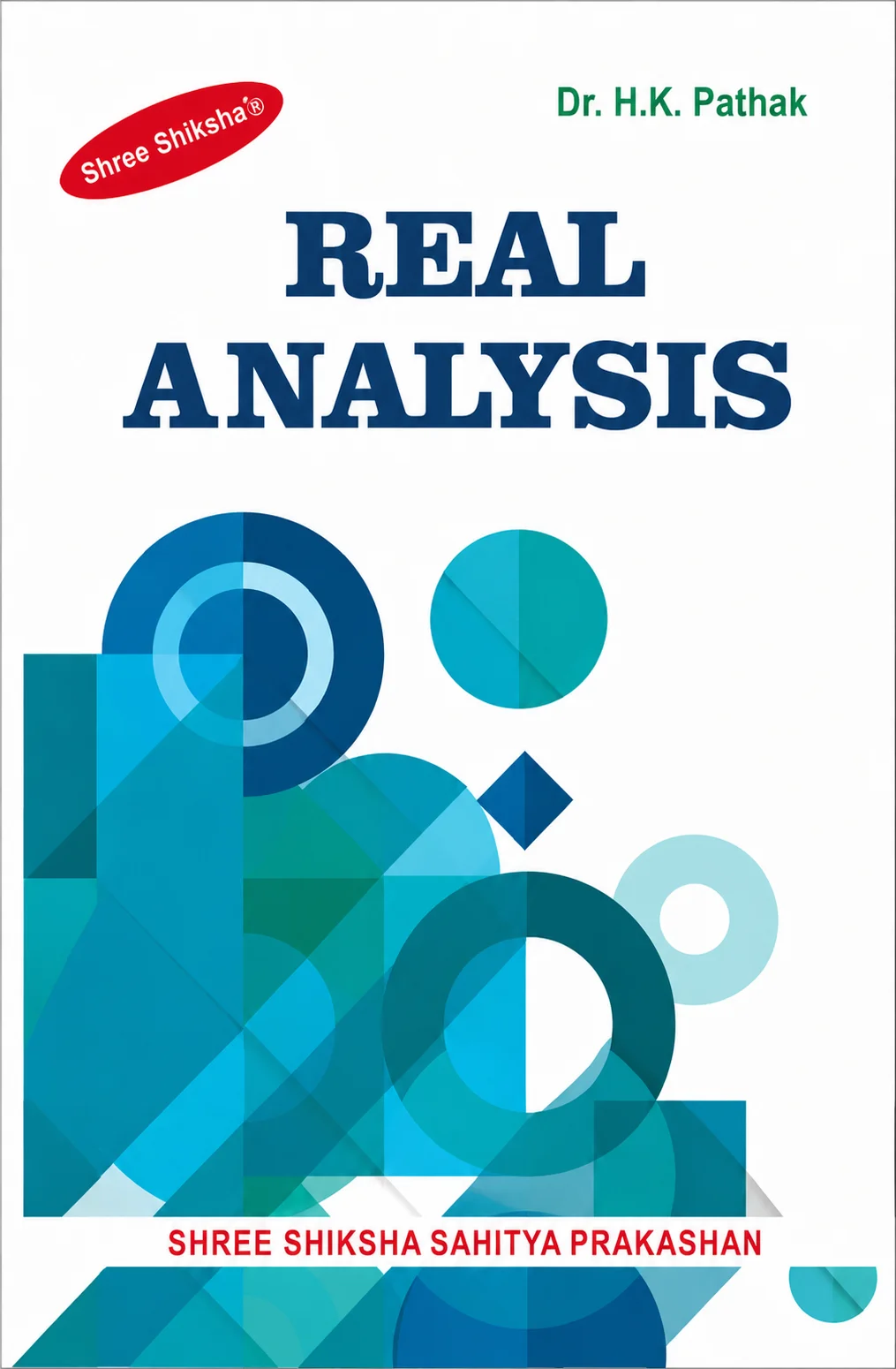
Real Analysis cover
Real Analysis
Covers: The whole analysis strand — sequences & series, continuity & uniform convergence, Riemann & Lebesgue integration, functions of several variables, metric spaces, compactness & connectedness.
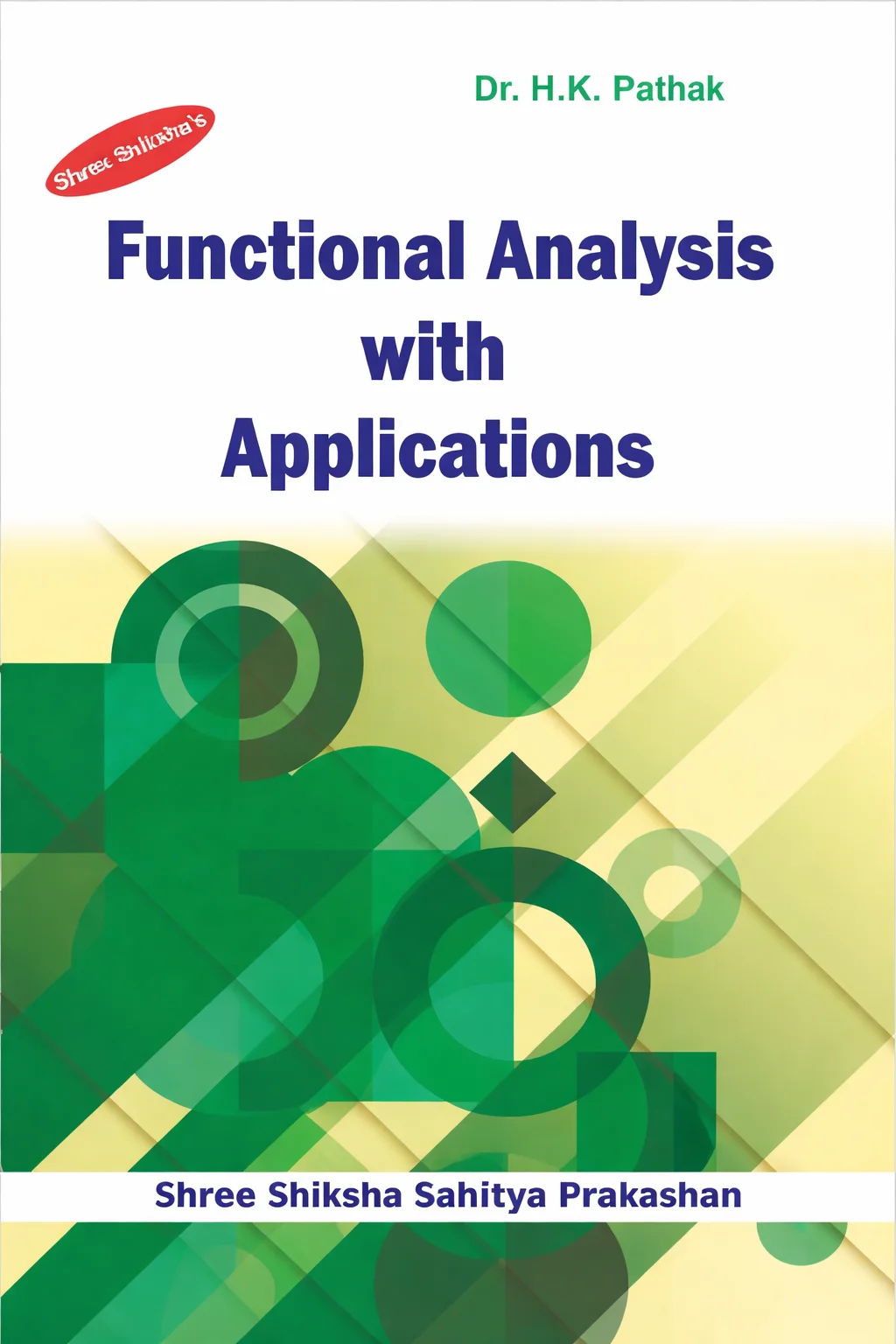
Functional Analysis cover
Functional Analysis
Covers: The normed-linear-space and spaces-of-continuous-functions topics this unit flags, and the functional-analysis foundations that carry into Part C problems.
Not in our range yet — Linear Algebra as a standalone title (vector spaces, eigenvalues, Cayley–Hamilton, canonical/Jordan forms, inner-product & quadratic forms) — not yet in our range.
See Unit 1 in full
Unit 2

Complex Analysis, Algebra & Topology

Three high-yield areas where our M.Sc range is strongest — a dedicated book for each.

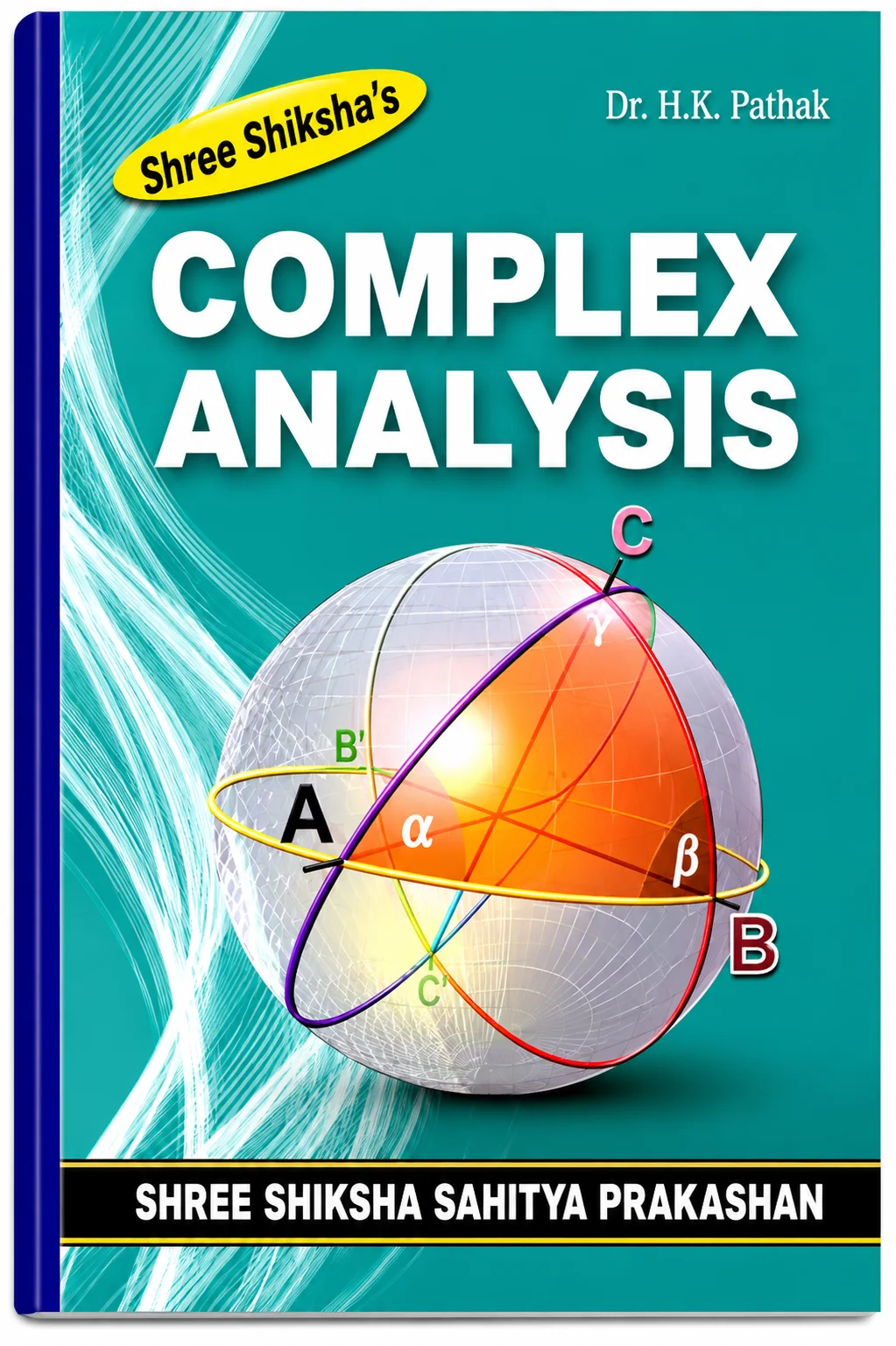
Complex Analysis cover
Complex Analysis
Covers: The full complex-analysis block — analytic functions, Cauchy’s theorem & integral formula, Taylor/Laurent series, residues, conformal & Möbius maps.
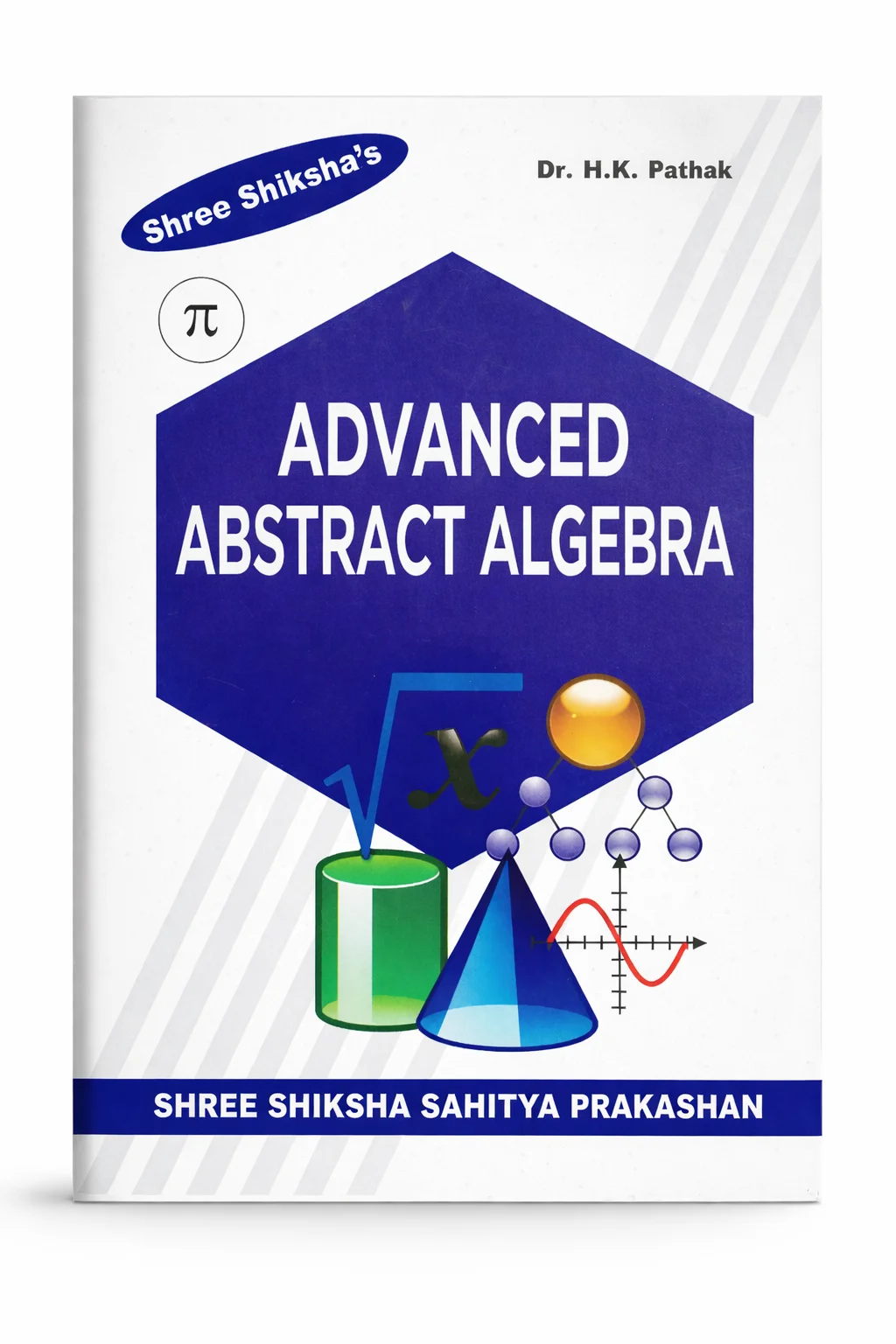
Advanced Abstract Algebra cover
Advanced Abstract Algebra
Covers: The algebra block — groups & Sylow theory, rings & ideals, UFD/PID/Euclidean domains, fields, finite fields and Galois theory.
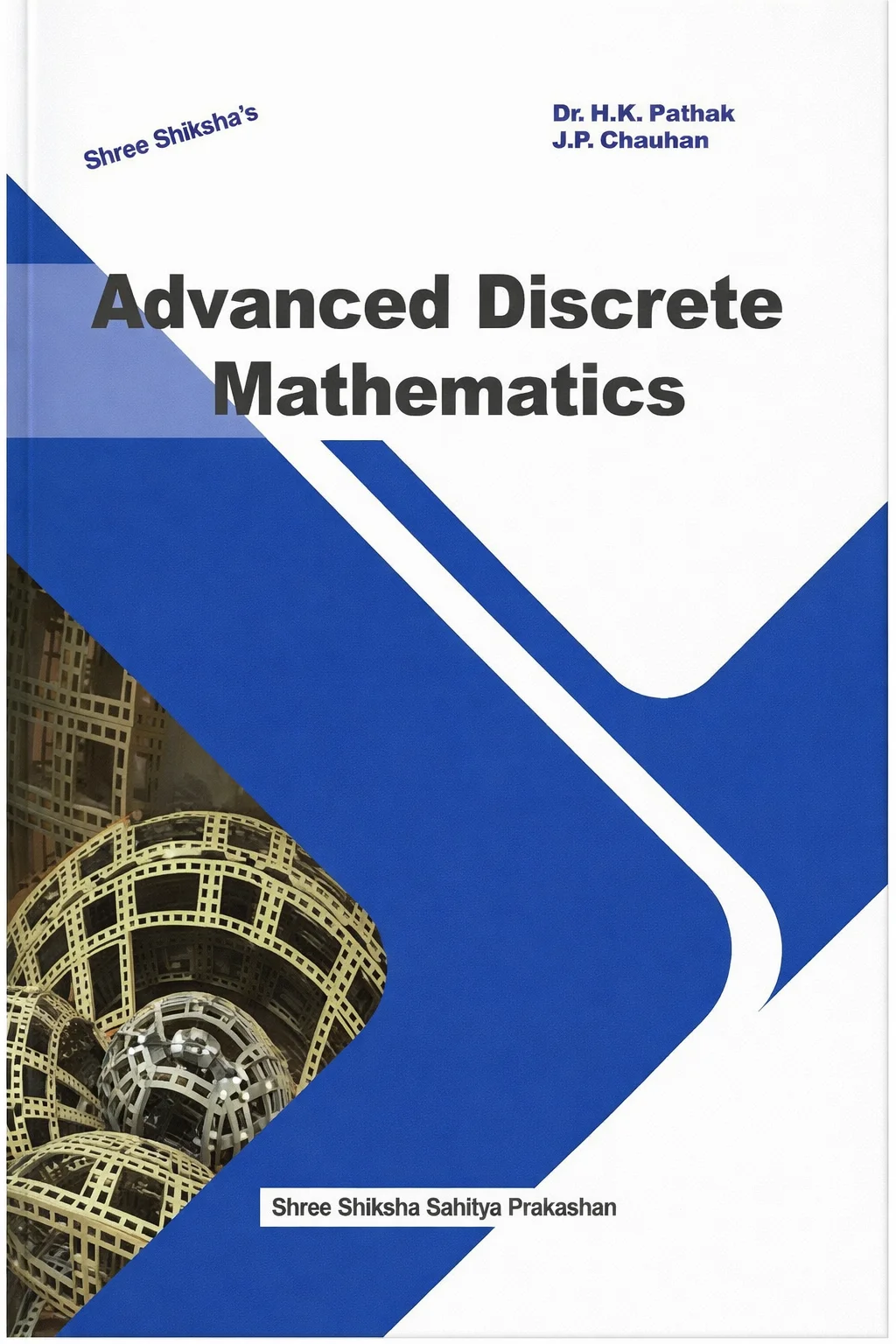
Advanced Discrete Mathematics cover
Advanced Discrete Mathematics
Covers: The combinatorics & elementary number-theory strand of this unit — permutations/combinations, pigeon-hole, inclusion–exclusion, divisibility and congruences.
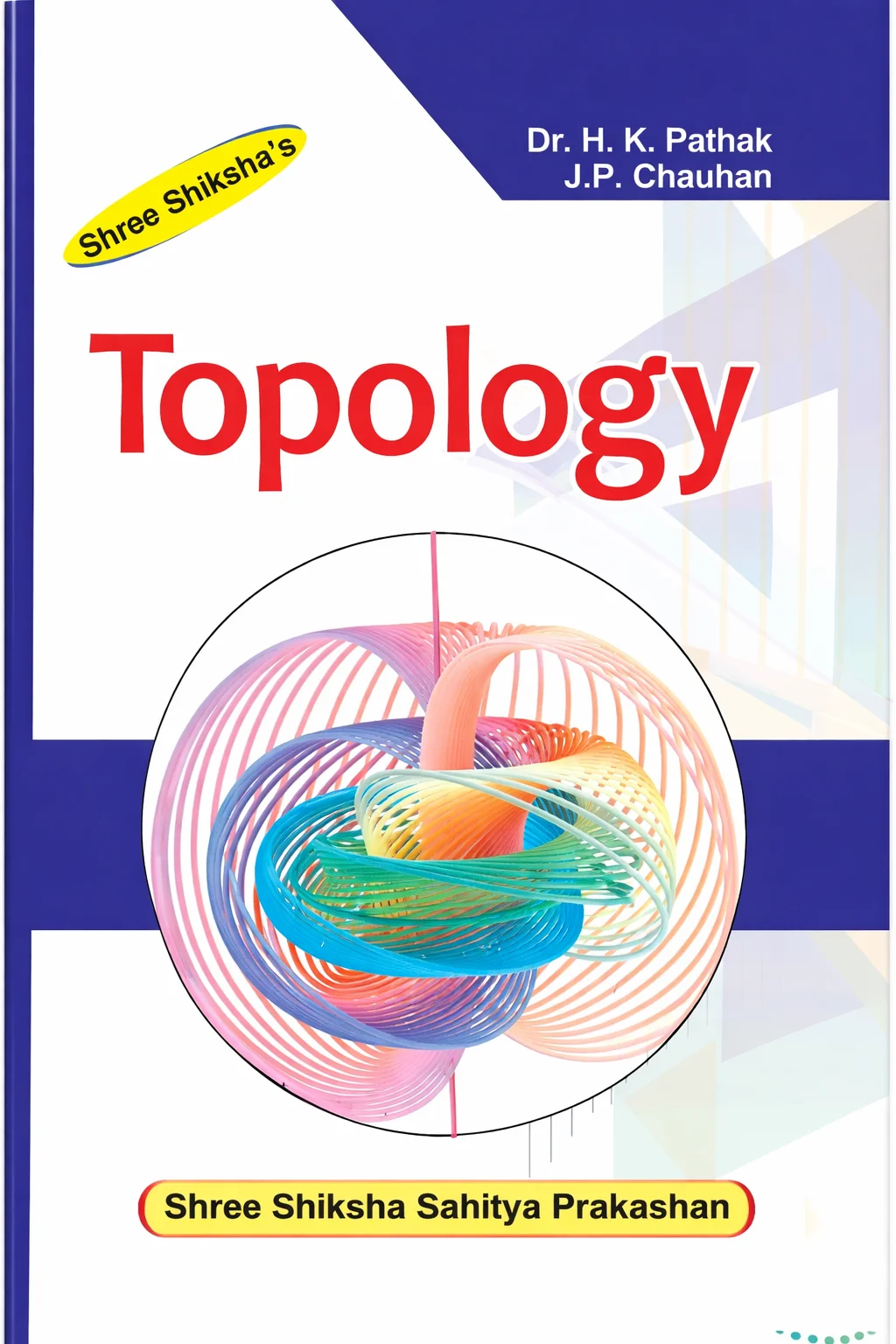
Topology cover
Topology
Covers: The topology block — basis & dense sets, subspace & product topology, separation axioms, connectedness and compactness.
See Unit 2 in full
Unit 3

Differential Equations, Integral Equations & Mechanics

ODEs, PDEs and integral equations — covered directly — alongside numerical analysis, calculus of variations and classical mechanics.

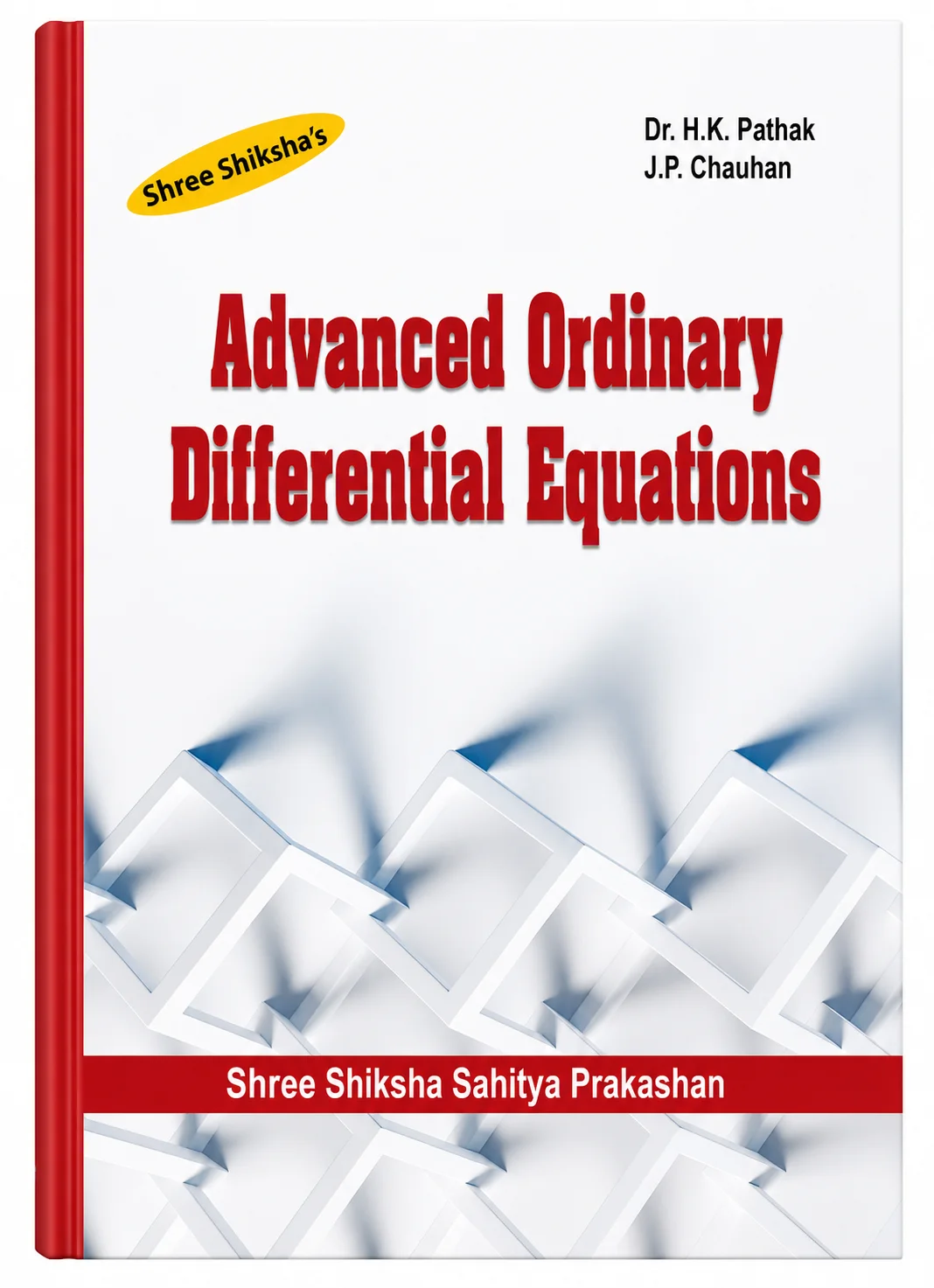
Advanced Ordinary Differential Equations cover
Advanced Ordinary Differential Equations
Covers: The ODE block — existence & uniqueness, systems of first-order ODEs, linear ODE theory, variation of parameters, Sturm–Liouville BVP and Green’s function.
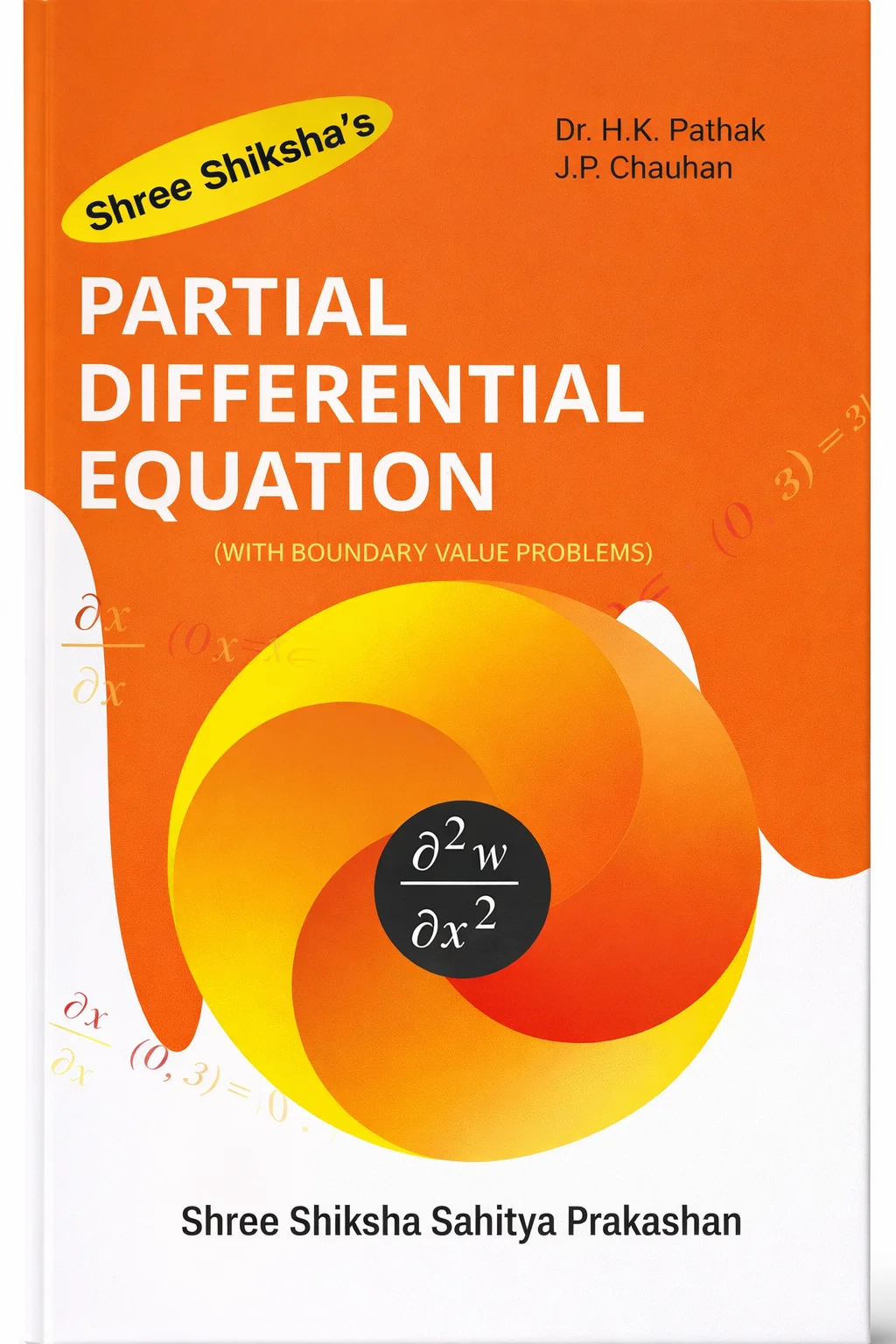
Partial Differential Equations cover
Partial Differential Equations
Covers: The PDE block — Lagrange & Charpit methods, the Cauchy problem, classification of second-order PDEs, and separation of variables for Laplace/Heat/Wave.
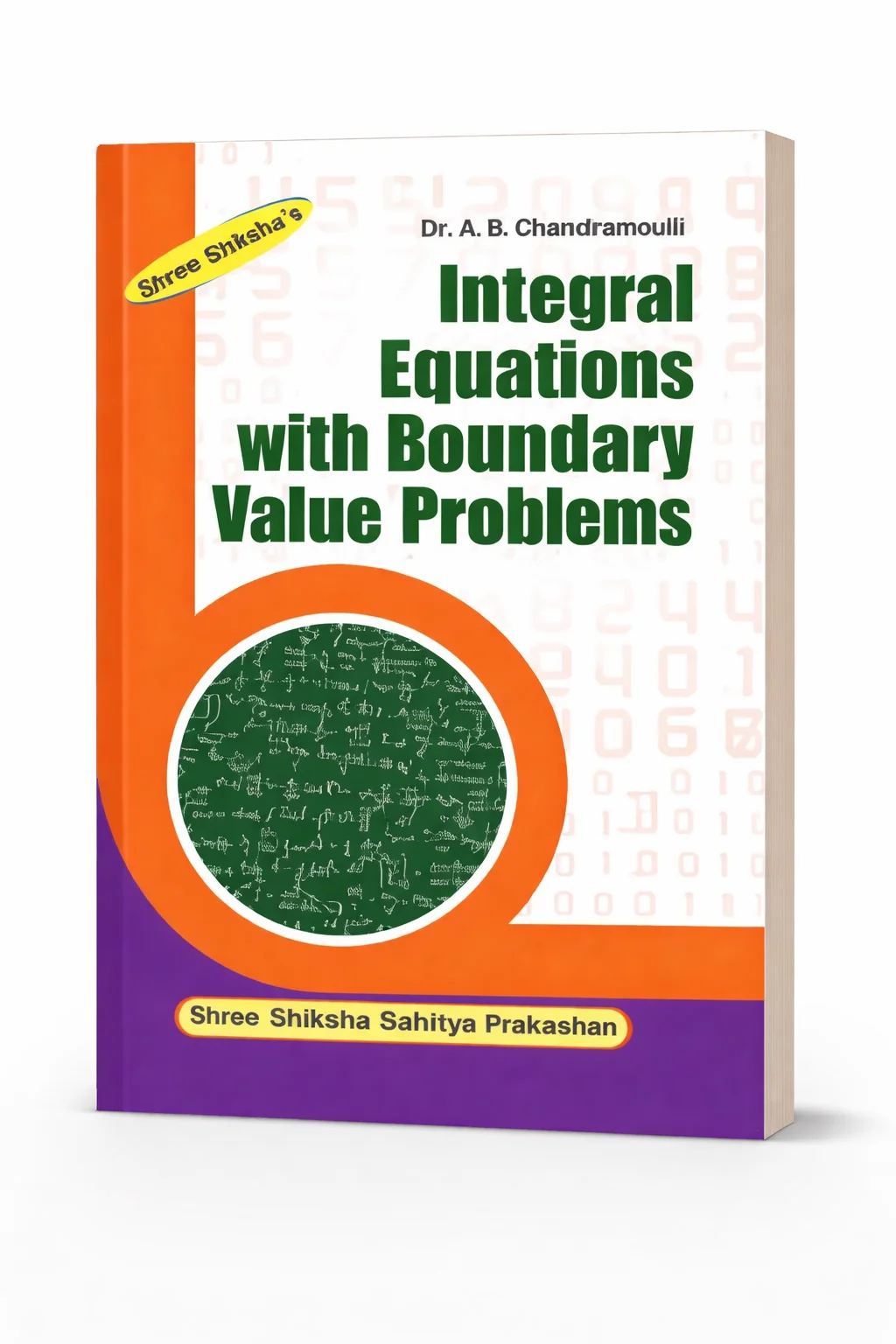
Integral Equations with Boundary Value Problems cover
Integral Equations with Boundary Value Problems
Covers: The linear-integral-equations block — Fredholm & Volterra equations, separable kernels, characteristic numbers & eigenfunctions, and the resolvent kernel.
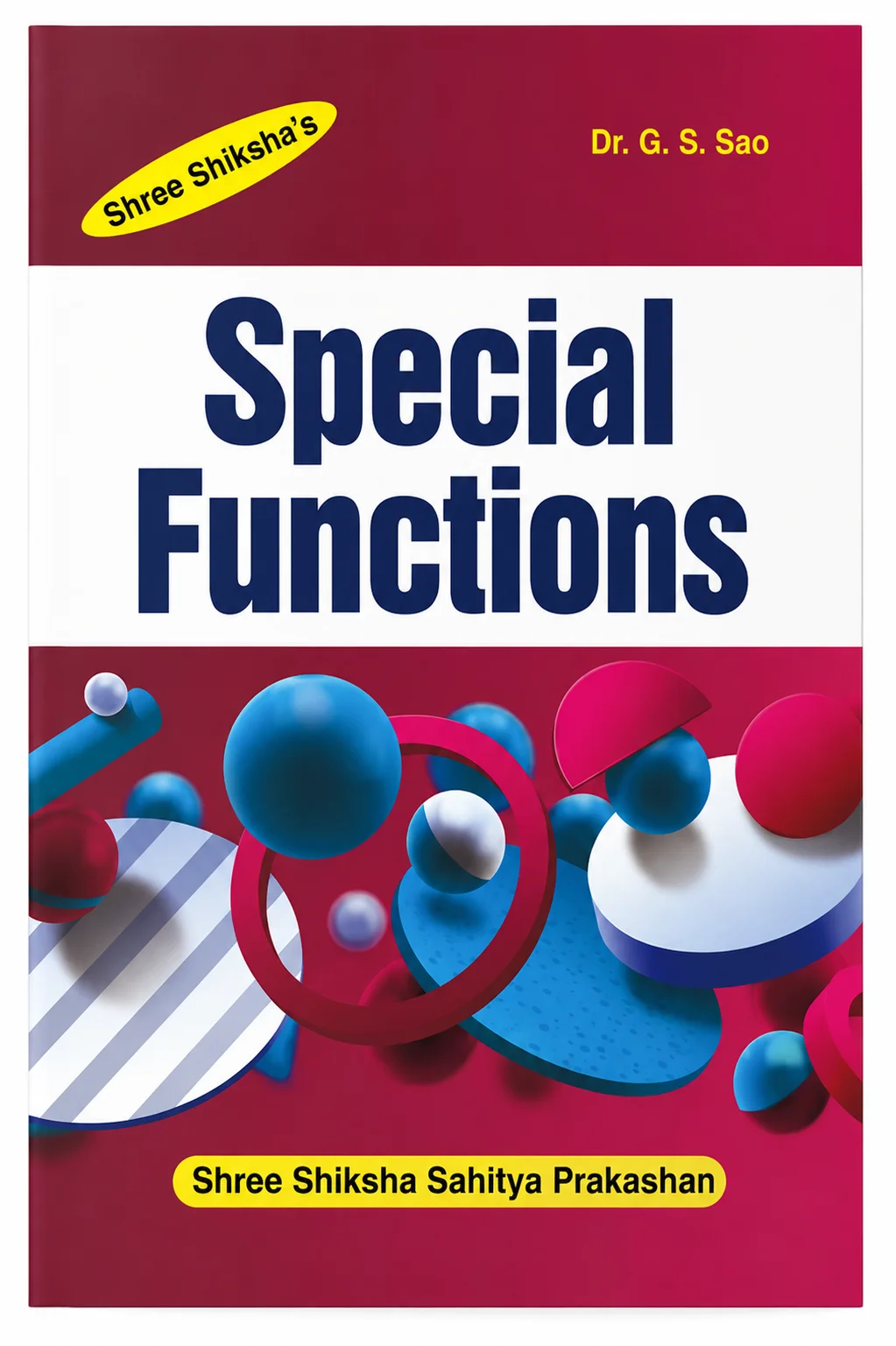
Special Functions cover
Special Functions
Covers: Supporting title — the special functions (Bessel, Legendre and others) that arise when the PDE topics are solved by separation of variables.
Not in our range yet — Numerical Analysis as a standalone M.Sc title — not yet in our range.
Not in our range yet — Calculus of Variations and Classical Mechanics (Lagrangian/Hamiltonian dynamics) — not yet published at M.Sc level.
See Unit 3 in full
Unit 4

Statistics, Data Analysis & Operations Research

Probability, statistical inference and multivariate analysis, plus operations research (linear programming, queuing & inventory). Per the official exam rule this unit is answered mainly by statistics-stream candidates — for a mathematics aspirant the operations-research topics are the relevant part, and our Operations Research title covers them.

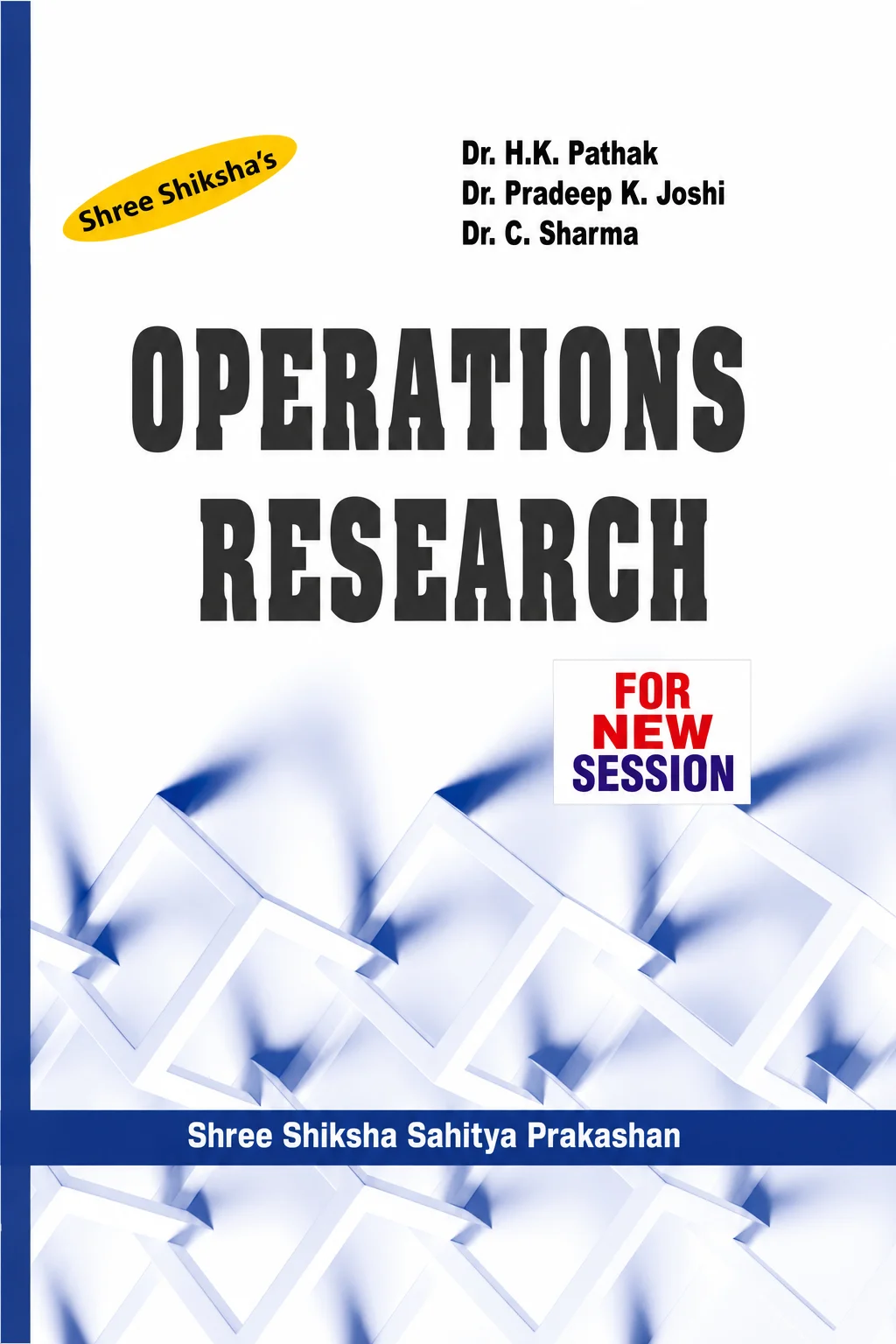
Operations Research cover
Operations Research
Covers: The operations-research strand of this unit — the linear programming problem & simplex method, duality, and elementary queuing & inventory models.
Not in our range yet — The statistics core of this unit — probability, statistical inference and multivariate analysis — is not yet in our M.Sc range (and is answered mainly by statistics-stream candidates). Pair with a dedicated statistics title if you need it.
See Unit 4 in full

Also in our M.Sc mathematics series

These titles fall outside the CSIR-NET syllabus but are standard M.Sc papers, useful for GATE Mathematics, UGC-NET, the IAS mathematics optional and state PCS.

Frequently asked

Which books do I need for CSIR-NET Mathematical Sciences?
The subject paper is four units. For Unit 1 (Analysis) use Real Analysis; for Unit 2 use Complex Analysis, Advanced Abstract Algebra and Topology; for Unit 3 use Advanced Ordinary Differential Equations, Partial Differential Equations and Integral Equations; the operations-research part of Unit 4 is covered by Operations Research. The Linear Algebra (Unit 1) and Numerical Analysis (Unit 3) topics, and the statistics core of Unit 4, need a title outside our current M.Sc range.
Are Dr. H.K. Pathak’s books enough for CSIR-NET Mathematics?
They cover the bulk of Units 1–3 — real & complex analysis, algebra, topology, ODEs, PDEs and integral equations — which is the majority of the scoring area in Parts B and C. Supplement with a linear-algebra, numerical-analysis and statistics title for the remaining topics.
Does the CSIR-NET Mathematics syllabus have units?
Yes. Part A is General Aptitude (common to all subjects). The Mathematical Sciences subject paper (Parts B and C) is organised into four units: (1) Analysis & Linear Algebra, (2) Complex Analysis, Algebra & Topology, (3) Differential Equations, Integral Equations & Mechanics, and (4) Statistics, Data Analysis & Operations Research.
Are these books also useful for GATE Mathematics and the IAS optional?
Yes. The analysis, algebra, complex analysis, topology and differential-equations titles map closely onto GATE Mathematics (MA), UGC-NET, the IAS mathematics optional and state PCS syllabi, so the same books serve several exams.