← Exam guides Exam guide

GATE Mathematics (MA) — which book for which section

GATE Mathematics (MA), conducted by the IITs, is the national entrance test for M.Tech / MS admissions, PSU recruitment and doctoral fellowships. The paper is General Aptitude (common to every GATE paper) plus the Mathematics subject, organised into eleven sections.

This guide takes the official GATE MA syllabus section by section and maps each section to the Shree Sai Prakashan M.Sc titles that cover it — so you can see exactly which book to open for which section, instead of guessing from a book list. Where a section is not yet covered by our range, we say so plainly.

Our M.Sc range covers 8 of the 11 subject sections — Real & Complex Analysis, Algebra, Functional Analysis, ODE, PDE, Topology and Linear Programming (via Operations Research). Calculus, Linear Algebra and Numerical Analysis need a separate title.

How the paper is structured

GATE Mathematics has two components. The eleven sections below make up the subject paper.

General Aptitude
Common to every GATE paper — 15 marks (verbal & quantitative aptitude). Not mathematics-specific.
Mathematics (subject)
The eleven sections below — 85 marks. The full paper is 65 questions / 100 marks in 3 hours (MCQ, MSQ and numerical-answer types).

The syllabus, section by section — mapped to our books

Each section below links to a full page with the complete topic list and the books that cover it.

Section 1

Calculus

Multivariable and vector calculus — a UG-level foundation not covered by a standalone title in our M.Sc range.

Not in our range yet — Calculus (multivariable & vector calculus) as a standalone M.Sc title — not in our range (it is a UG-level foundation).
See Section 1 in full
Section 2

Linear Algebra

Finite-dimensional vector spaces, canonical forms and quadratic forms — not yet a standalone title in our range.

Not in our range yet — Linear Algebra as a standalone M.Sc title — not yet in our range.
See Section 2 in full
Section 3

Real Analysis

One of the largest sections — and directly covered.

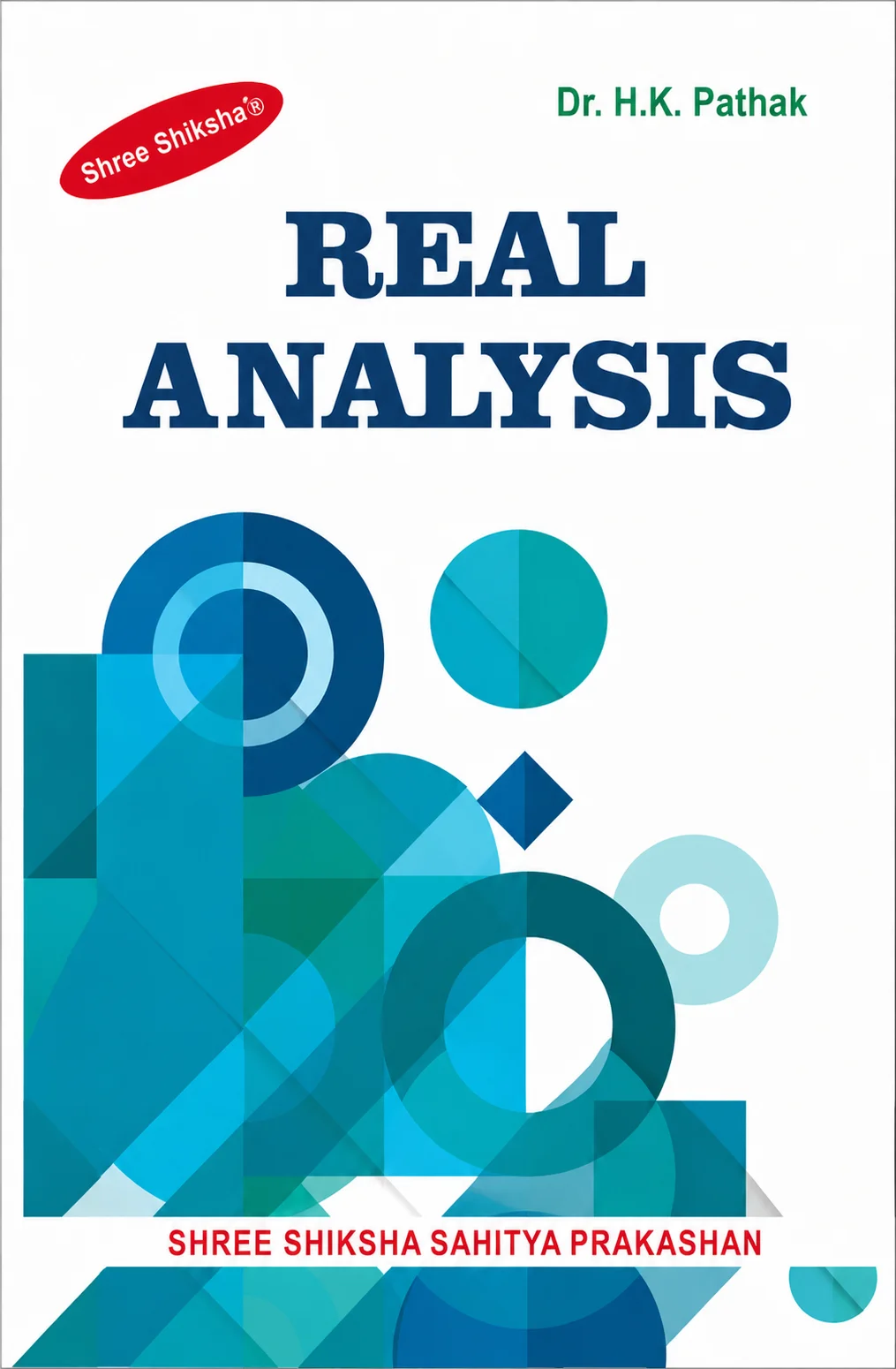
Real Analysis cover
Real Analysis
Covers: The whole section — metric spaces, compactness & completeness, uniform convergence, the Weierstrass and Ascoli–Arzelà theorems, and Lebesgue measure & integration up to the Lp spaces.
See Section 3 in full
Section 4

Complex Analysis

Analytic functions through to residues and conformal maps — directly covered.

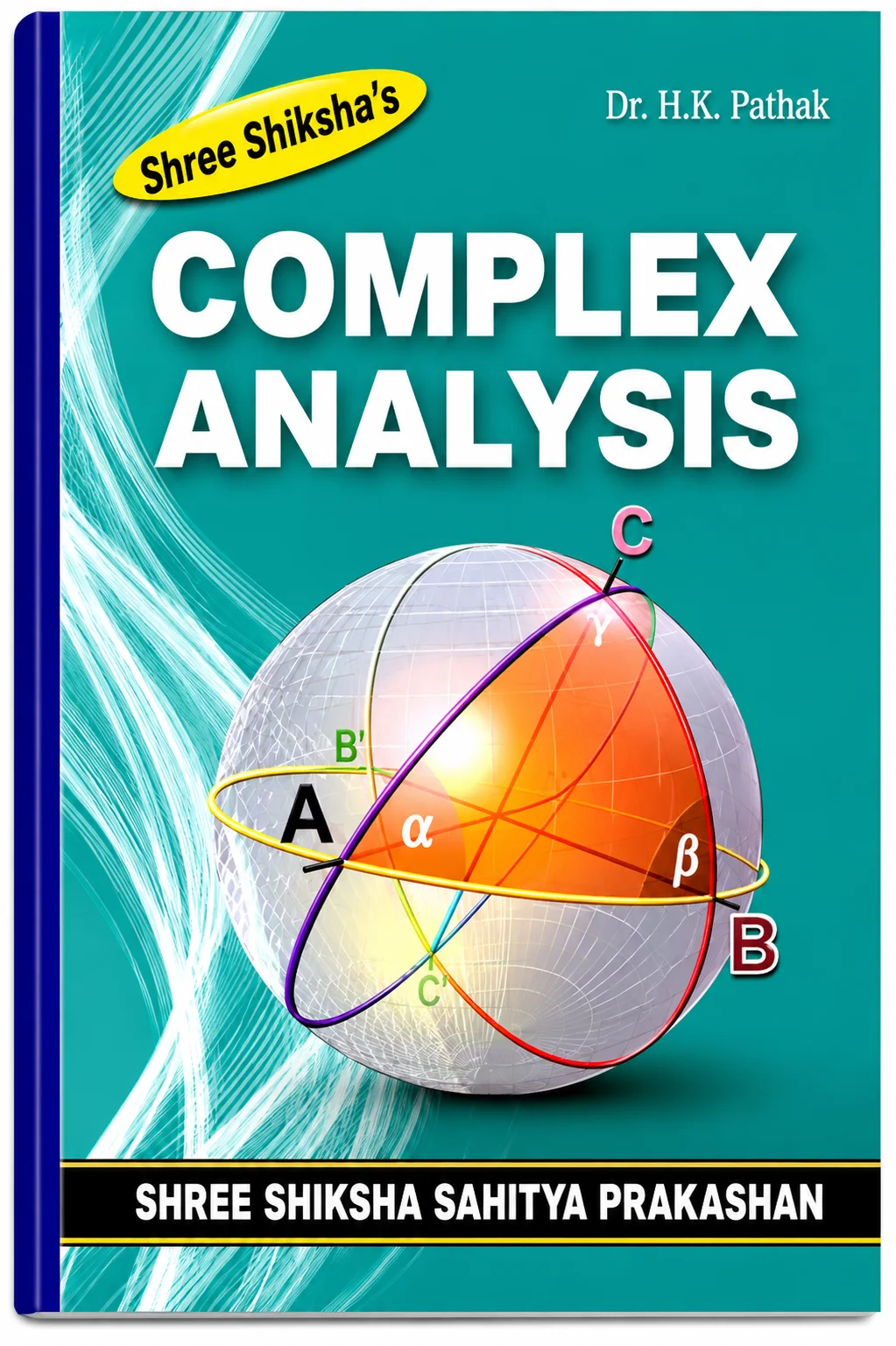
Complex Analysis cover
Complex Analysis
Covers: The full section — analytic & harmonic functions, Cauchy’s theorem & formula, Taylor/Laurent series, the residue theorem with real-integral applications, Rouché & the argument principle, and conformal & Möbius maps.
See Section 4 in full
Section 5

Ordinary Differential Equations

First- and higher-order ODEs, Laplace & series solutions, Sturm–Liouville and stability — directly covered.

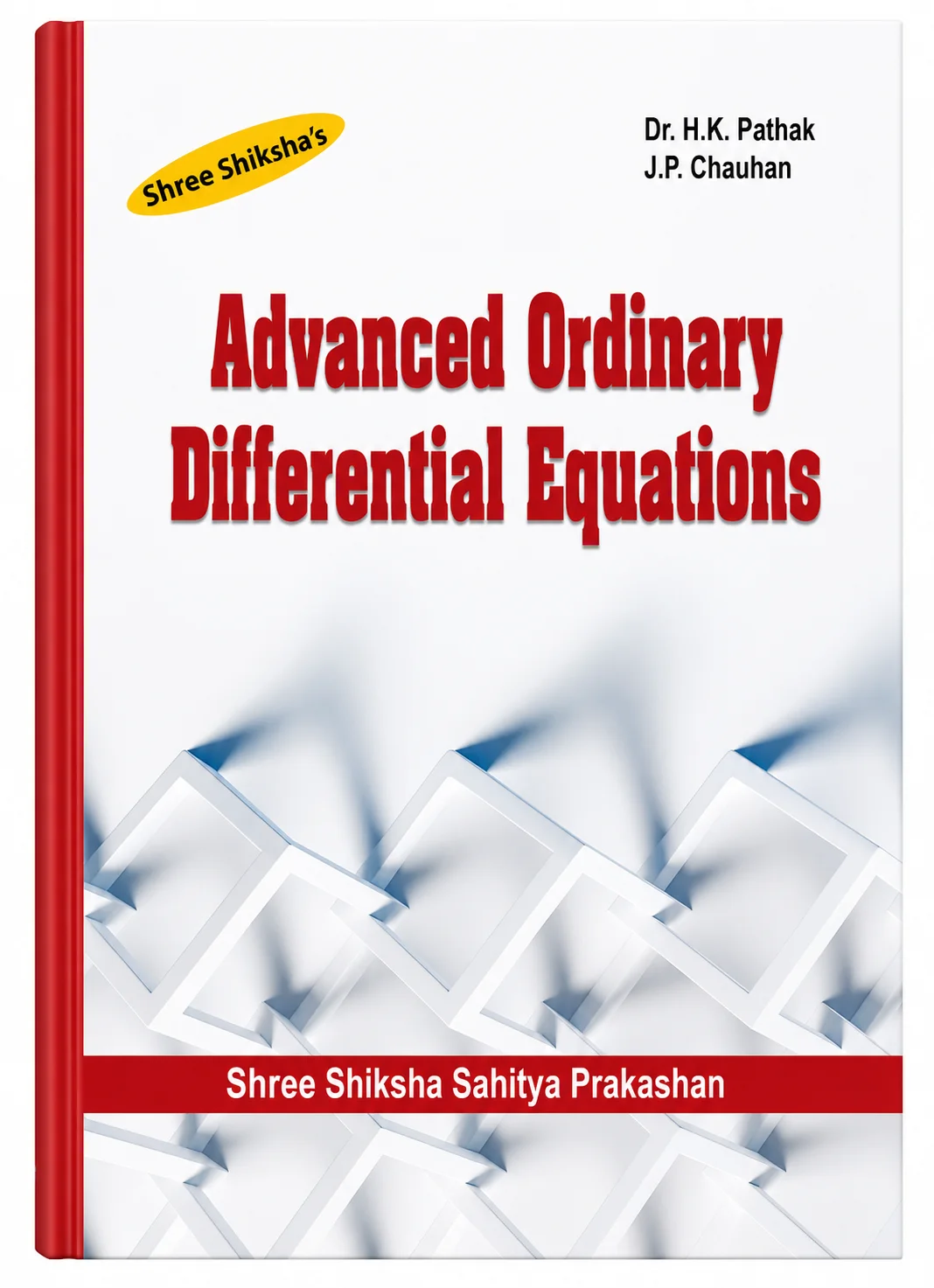
Advanced Ordinary Differential Equations cover
Advanced Ordinary Differential Equations
Covers: The core of the section — existence & uniqueness, higher-order & variable-coefficient linear ODEs, Cauchy–Euler, Laplace transforms, series/Frobenius solutions, Sturm–Liouville problems and systems.
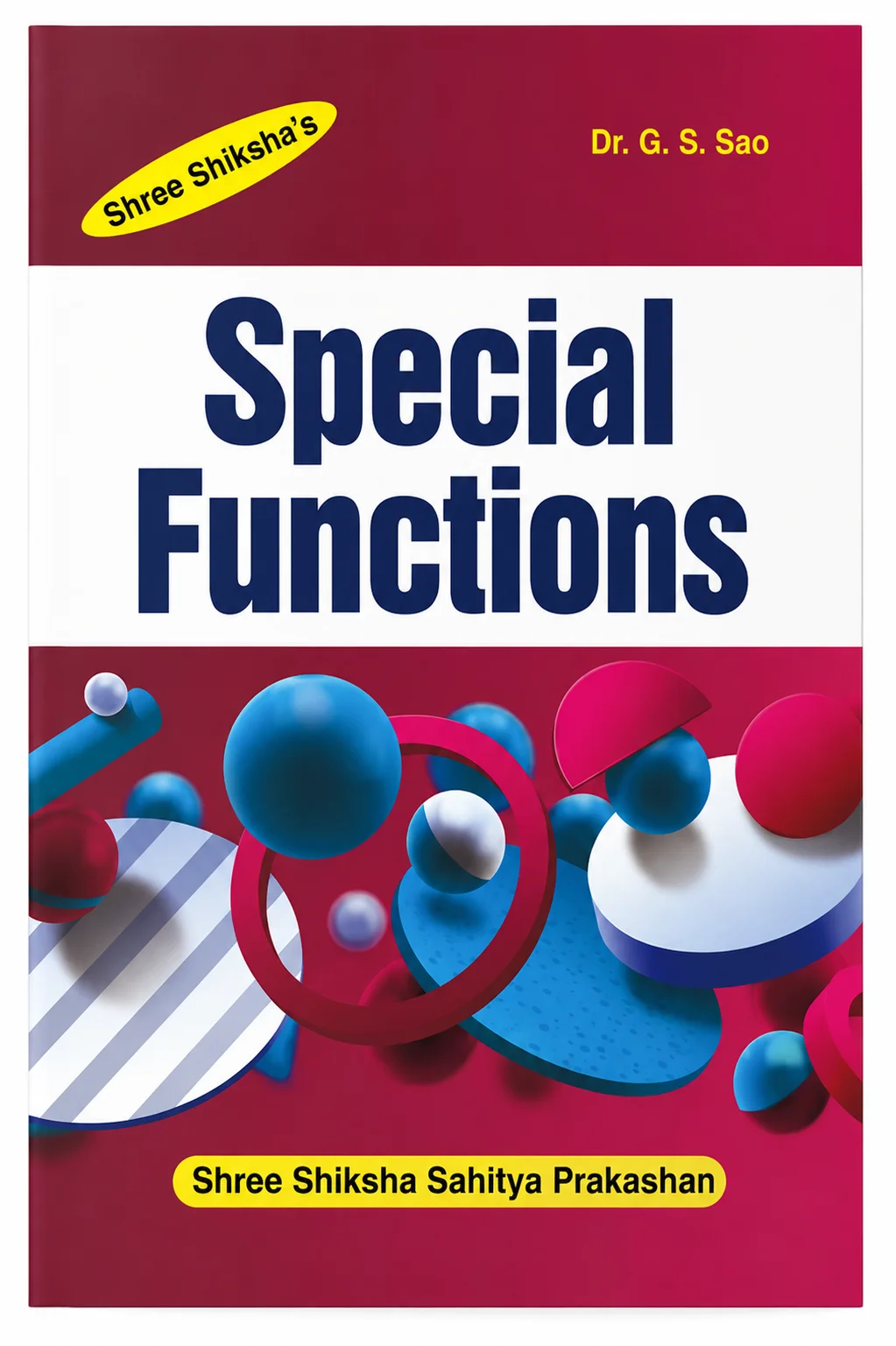
Special Functions cover
Special Functions
Covers: The Legendre and Bessel functions and their orthogonal properties called out in this section.
See Section 5 in full
Section 6

Algebra

Group, ring and field theory — directly covered.

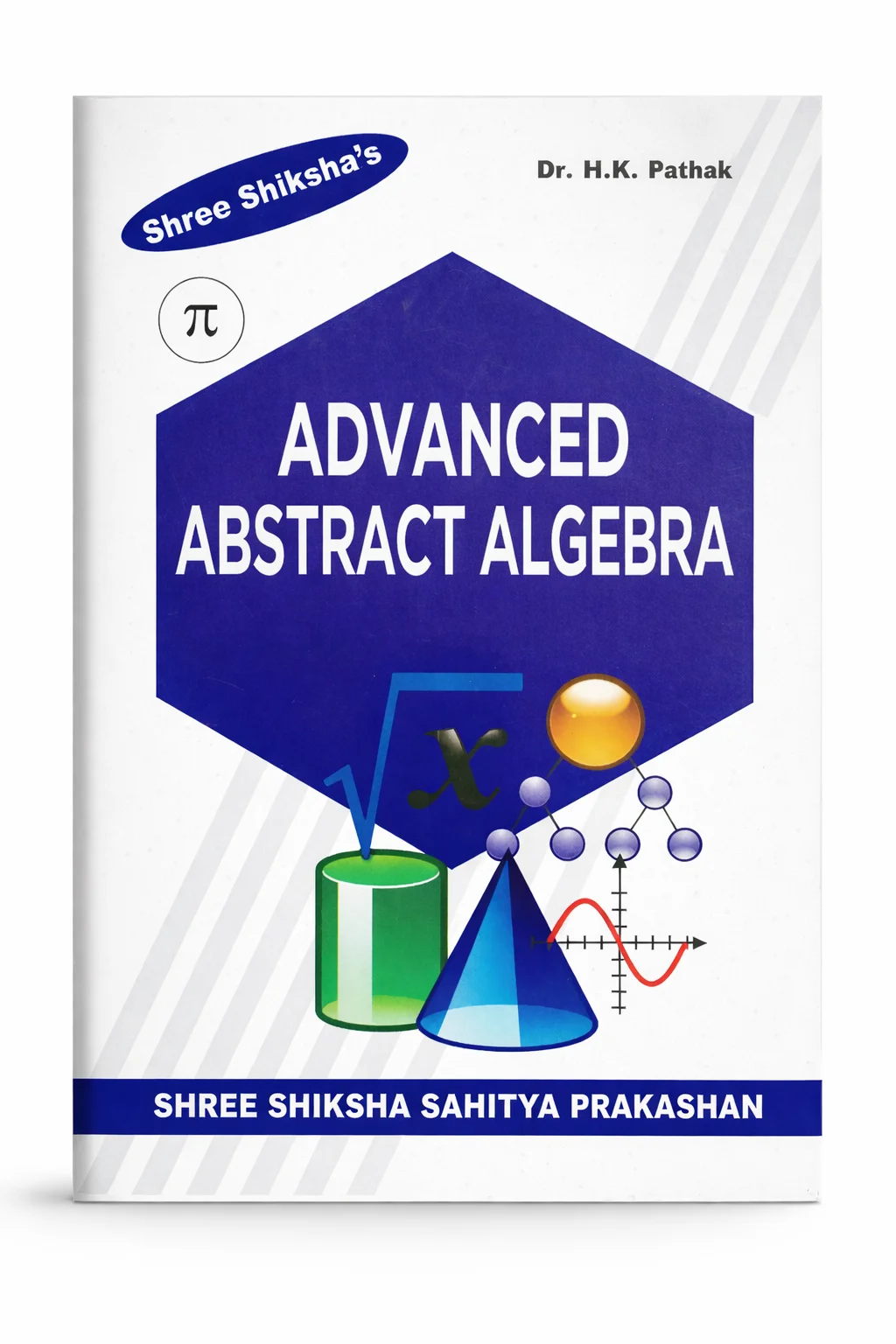
Advanced Abstract Algebra cover
Advanced Abstract Algebra
Covers: The whole section — groups & Sylow theory, finite abelian groups, rings & ideals, UFD/PID/Euclidean domains, polynomial rings & Eisenstein, and fields, finite fields & extensions.
See Section 6 in full
Section 7

Functional Analysis

Banach & Hilbert space theory and the classical theorems — directly covered.

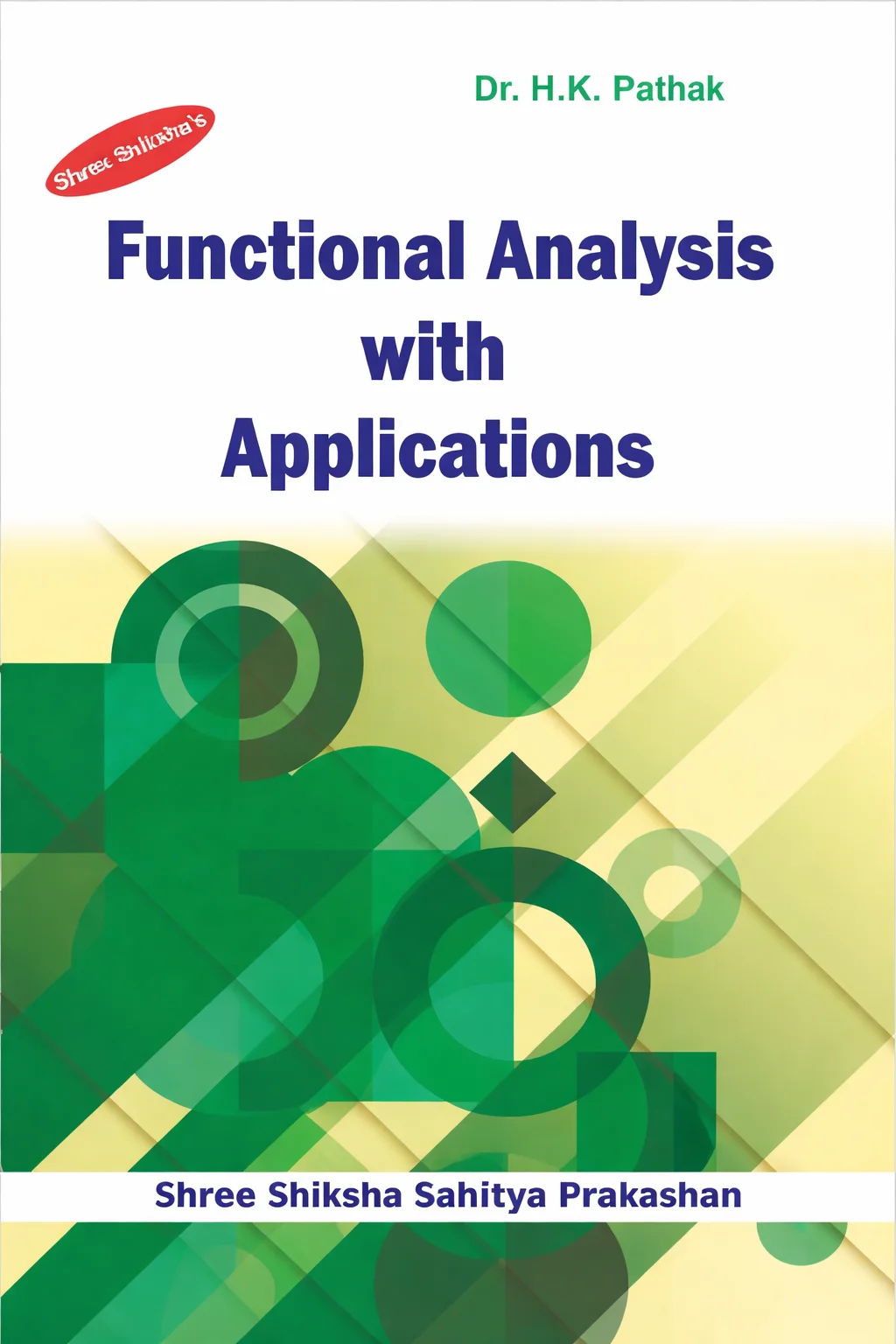
Functional Analysis cover
Functional Analysis
Covers: The full section — normed & Banach spaces, bounded & compact operators, Hahn–Banach, the open mapping / closed graph / uniform boundedness theorems, Hilbert spaces, Riesz representation and the spectral theorem.
See Section 7 in full
Section 8

Numerical Analysis

Direct & iterative solvers, interpolation and numerical integration — not yet a standalone title in our range.

Not in our range yet — Numerical Analysis as a standalone M.Sc title — not yet in our range.
See Section 8 in full
Section 9

Partial Differential Equations

First- and second-order PDEs, separation of variables and transform methods — directly covered.

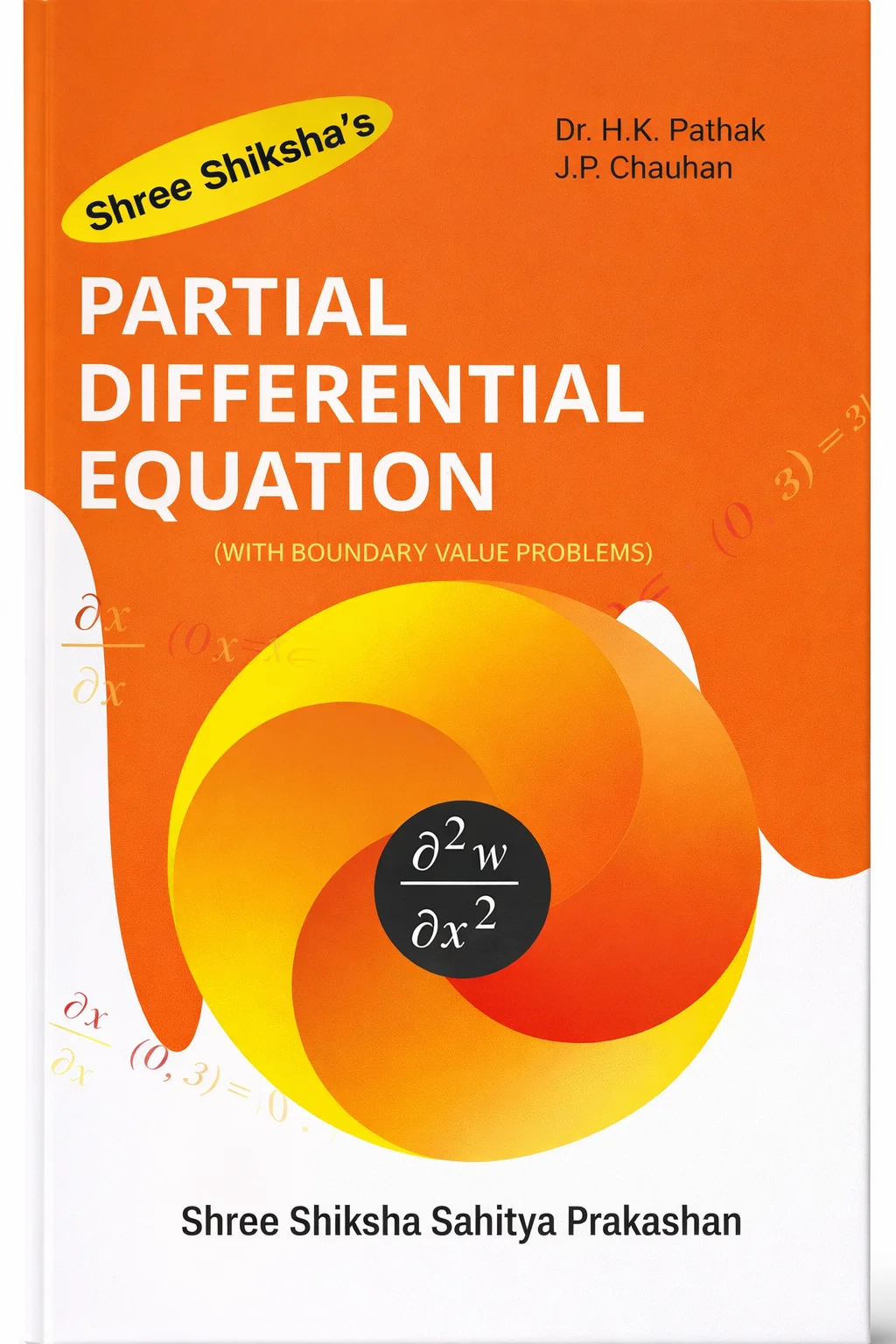
Partial Differential Equations cover
Partial Differential Equations
Covers: The full section — method of characteristics, classification & canonical forms, separation of variables for Laplace/heat/wave, d’Alembert’s formula and Laplace/Fourier transform methods.
See Section 9 in full
Section 10

Topology

Point-set topology through to Urysohn and Tietze — directly covered.

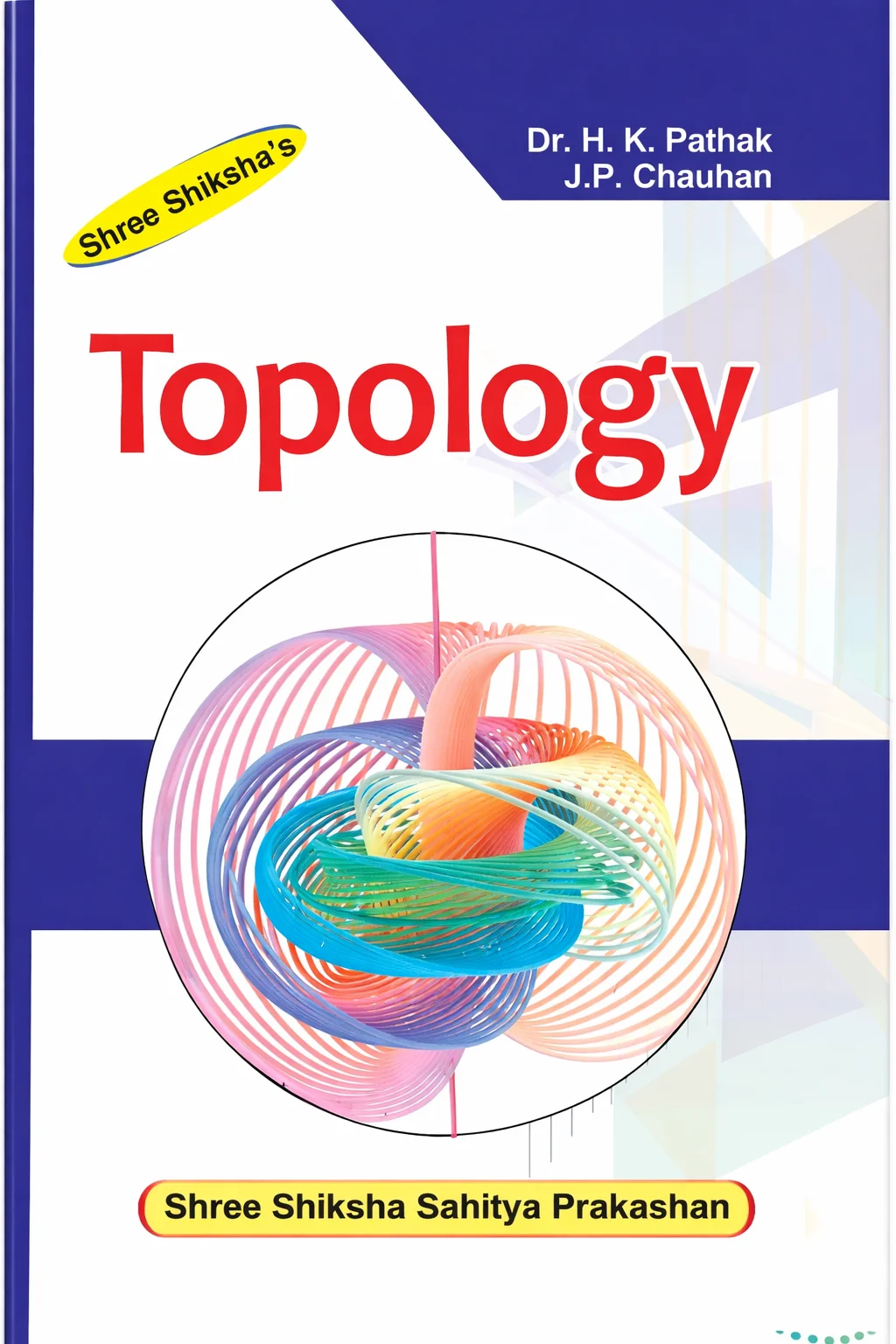
Topology cover
Topology
Covers: The whole section — bases & subbases, the subspace/order/product/quotient topologies, connectedness & compactness, Tychonoff, and the countability & separation axioms up to Urysohn & Tietze.
See Section 10 in full
Section 11

Linear Programming

LP, transportation and assignment — directly covered by Operations Research.

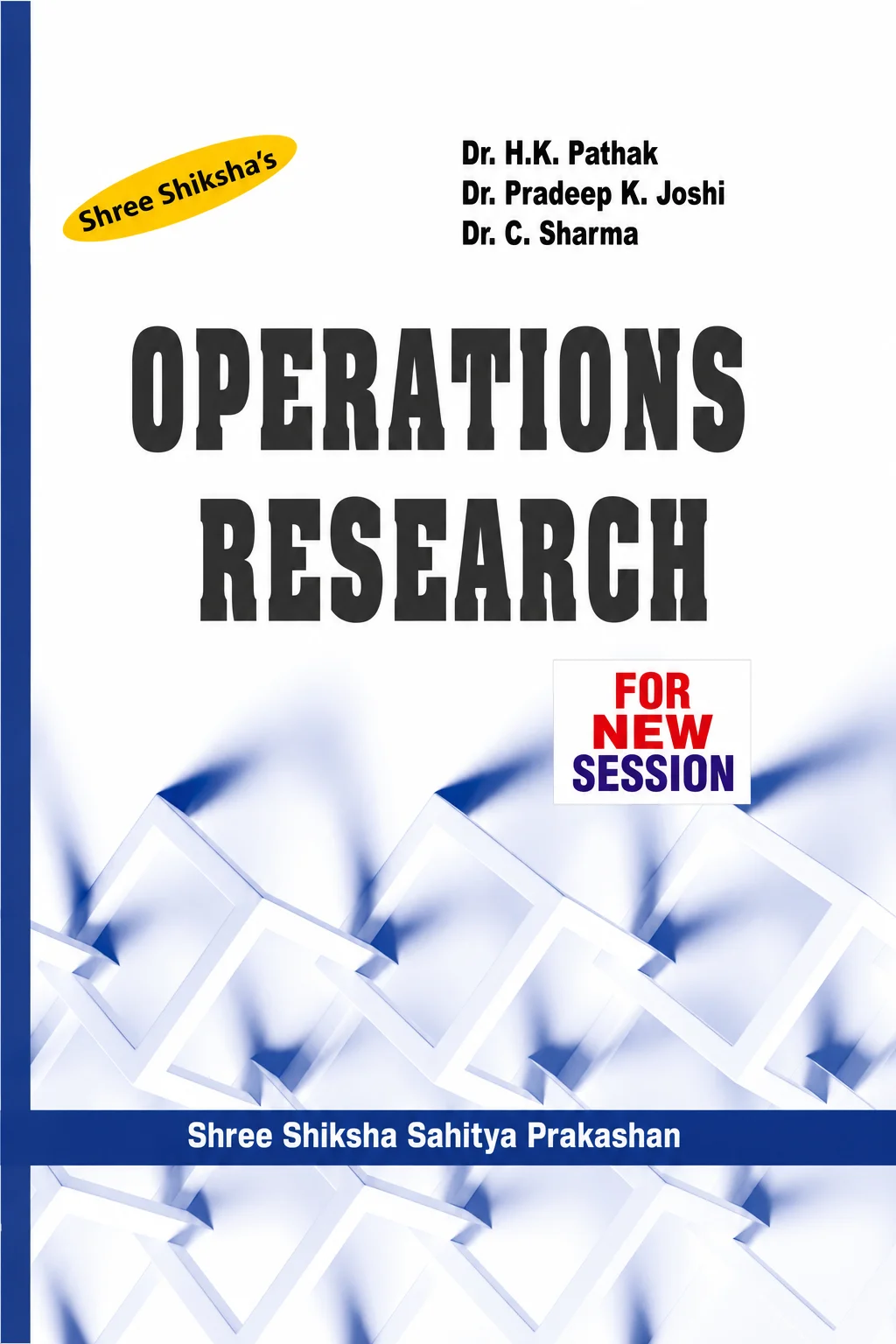
Operations Research cover
Operations Research
Covers: The full section — LP models & convex sets, the simplex / two-phase / revised-simplex methods, duality, transportation problems (NW-corner, least-cost, Vogel, MODI) and the assignment problem (Hungarian method).
See Section 11 in full

Frequently asked

Which books do I need for GATE Mathematics (MA)?
The subject paper has eleven sections. Our M.Sc range covers eight of them: Real Analysis (Sec 3), Complex Analysis (Sec 4), ODE (Sec 5), Algebra (Sec 6), Functional Analysis (Sec 7), PDE (Sec 9), Topology (Sec 10) and Linear Programming (Sec 11, via Operations Research). Calculus (Sec 1), Linear Algebra (Sec 2) and Numerical Analysis (Sec 8) need a separate title.
Are Dr. H.K. Pathak’s books enough for GATE MA?
They cover eight of the eleven subject sections — the bulk of the analysis, algebra, topology and differential-equations weight. Supplement with a calculus, linear-algebra and numerical-analysis title for the remaining three sections and the General Aptitude part.
Does GATE Mathematics have a General Aptitude section?
Yes. General Aptitude is common to every GATE paper (15 marks). The eleven mathematics sections above make up the 85-mark subject paper; the full test is 65 questions / 100 marks in 3 hours.
Are these the same books used for CSIR-NET Mathematics?
Largely, yes. The analysis, algebra, complex analysis, topology, functional analysis and differential-equations titles map onto both GATE MA and CSIR-NET, so the same books serve both exams.